_1786609185065.webp)
Oct 14, 2026
How to Choose the Right SPF 30 Mineral Moisture Lip Balm
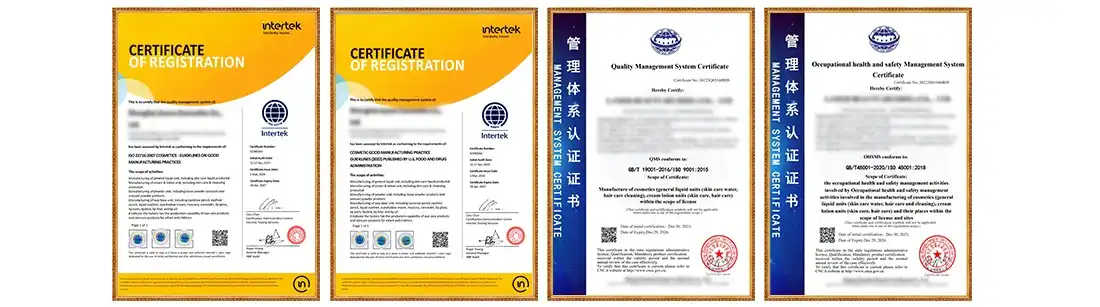
Choosing the right SPF 30 mineral moisture lip balm starts with understanding what separates a functional product from one that genuinely performs. The best options use zinc oxide as the active UV filter, blocking approximately 97% of UVB rays while sitting gently on the lip surface. Look for botanical moisturizers—shea fruit extract, panthenol, sunflower seed oil, and beeswax—that prevent transepidermal water loss without a greasy finish. For B2B buyers, certifications like GMPC and ISO 22716, along with OEM/ODM flexibility and verified SPF testing documentation, are the real decision-makers.
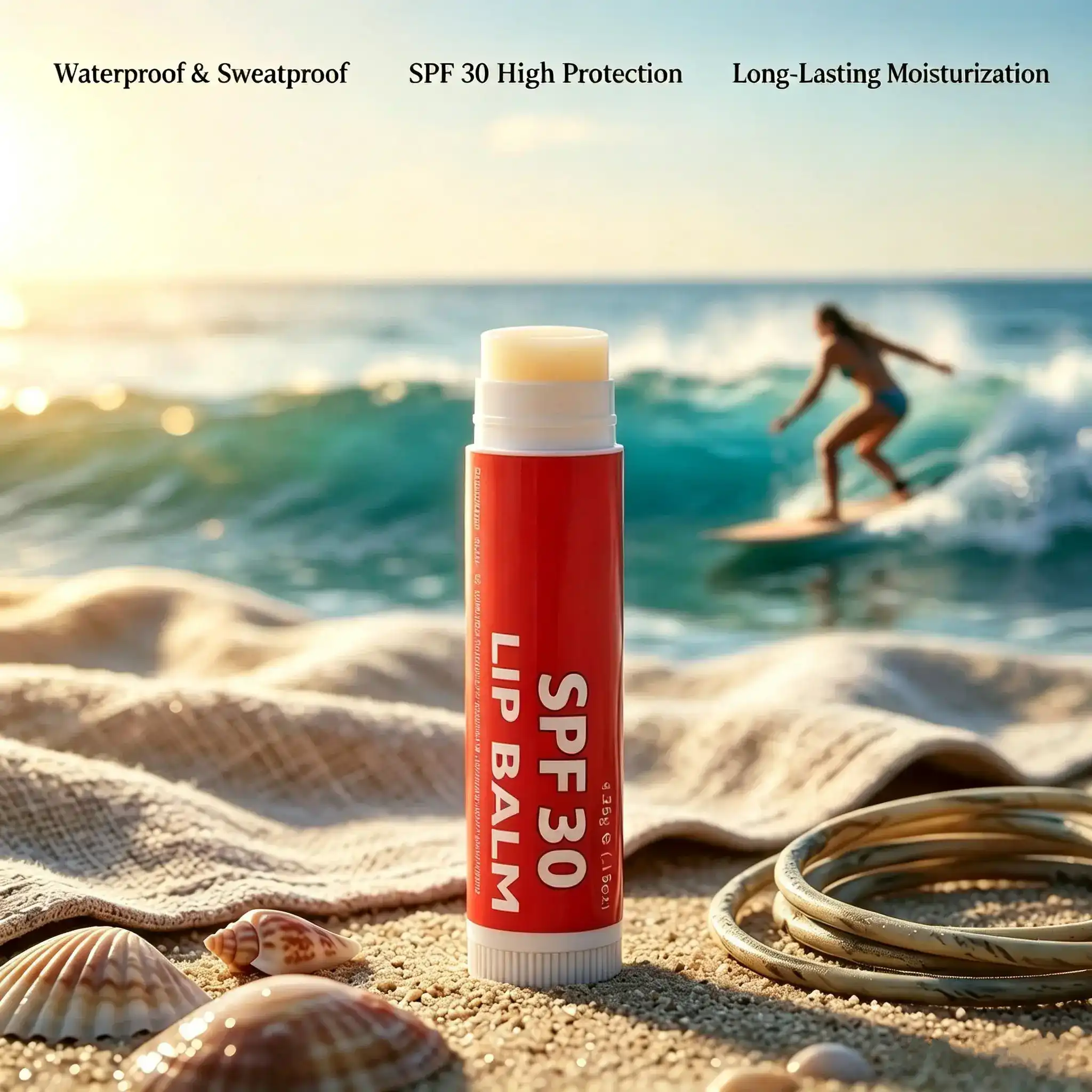
Understanding the Core Features of a Mineral UV Lip Balm
There are different kinds of lip balms that don't work the same way. Formulas that are based on minerals use physical UV screens instead of chemical absorbers. This makes them a better choice for people with sensitive skin and who want to look their best.
What Makes It "Mineral"?
Inorganic UV screens are the only ones this word refers to. Zinc oxide is the most common type. Both UVA and UVB rays are spread out and reflected by zinc oxide. Chemical sunscreens, on the other hand, soak up UV light and turn it into heat. This broad-spectrum action starts as soon as it is used; there is no waiting time.
The Moisture Complex Behind the Protection
A powerful mix of ingredients shields against UV rays and fixes lipids. The fruit extract of Butyrospermum Parkii softens and conditions skin. Panthenol draws water into tissues, and sunflower seed oil and beeswax form a layer that keeps water in. One thing that vitamin E does is protect against reaction stress in the environment.
Skin Compatibility and Safety Profile
Zinc oxide has been safe for a long time, and the FDA has allowed it as an active ingredient in over-the-counter sunscreens. Because it reduces swelling, all skin types can use it all day, after surgery, on lip tissue that is easily hurt, and after surgery. This means a lot of different customers who aren't likely to be angry for B2B buyers.
Comparing Mineral Formulas Against Conventional Alternatives
Procurement managers can better place a product in their category plan if they know how mineral lip sun protection compares to other options.
Mineral vs. Chemical Sunscreen Lip Balms
More and more rules are being put on chemical screens like oxybenzone and octinoxate. In areas that are bad for reefs, Hawaii and Palau have banned goods with oxybenzone. A zinc oxide formula in SPF 30 mineral moisture lip balm completely avoids this risk and is reef-safe, which gives it a clear edge in retail ecotourism, marine sports, and markets where environmental rules are getting stricter.
Mineral vs. Standard Moisturizing Lip Balms
Normal lip balm keeps your lips moist but doesn't protect them from the sun. Because lip tissue doesn't have much melanin and no hair follicles, it is very sensitive to damage from UV light, which can cause actinic cheilitis and faster ageing. Adding a verified SPF claim to the product description for outdoor, sports, and travel-related brands meets a real customer need that basic balms can't.
Ingredient Quality and Cost Positioning
Mineral formulas that contain certified botanical ingredients are seen as more valuable than options that are made from petroleum. This positioning supports higher retail prices for B2B buyers who are building a useful skincare or outdoor gear accessories line. It also fits with the growing demand for clean beauty products that has been seen by market research firms like Mintel and Euromonitor.
Procurement Considerations for B2B Buyers
It takes more work to find lip balm that says it has SPF than it does to find regular makeup. Buyers in business to business (B2B) should think about legal issues ahead of time so that delays don't cost a lot of money.
Regulatory Requirements by Market
Any lip balm that says it has SPF is an over-the-counter drug in the US, according to 21 CFR Part 352. To do this, the business that makes the product needs to be registered with the FDA to make over-the-counter drugs, and the product itself needs to have a standard in-vivo SPF test result. Cosmetic Regulation (EC) No 1223/2009 controls SPF products in the EU. It says that they need to have a UV filter and show that they are SPF through ISO 24444 testing. People who buy in these markets need to be sure that their seller can give them these papers before they move on to the next step.
MOQ, Lead Times, and Supply Reliability
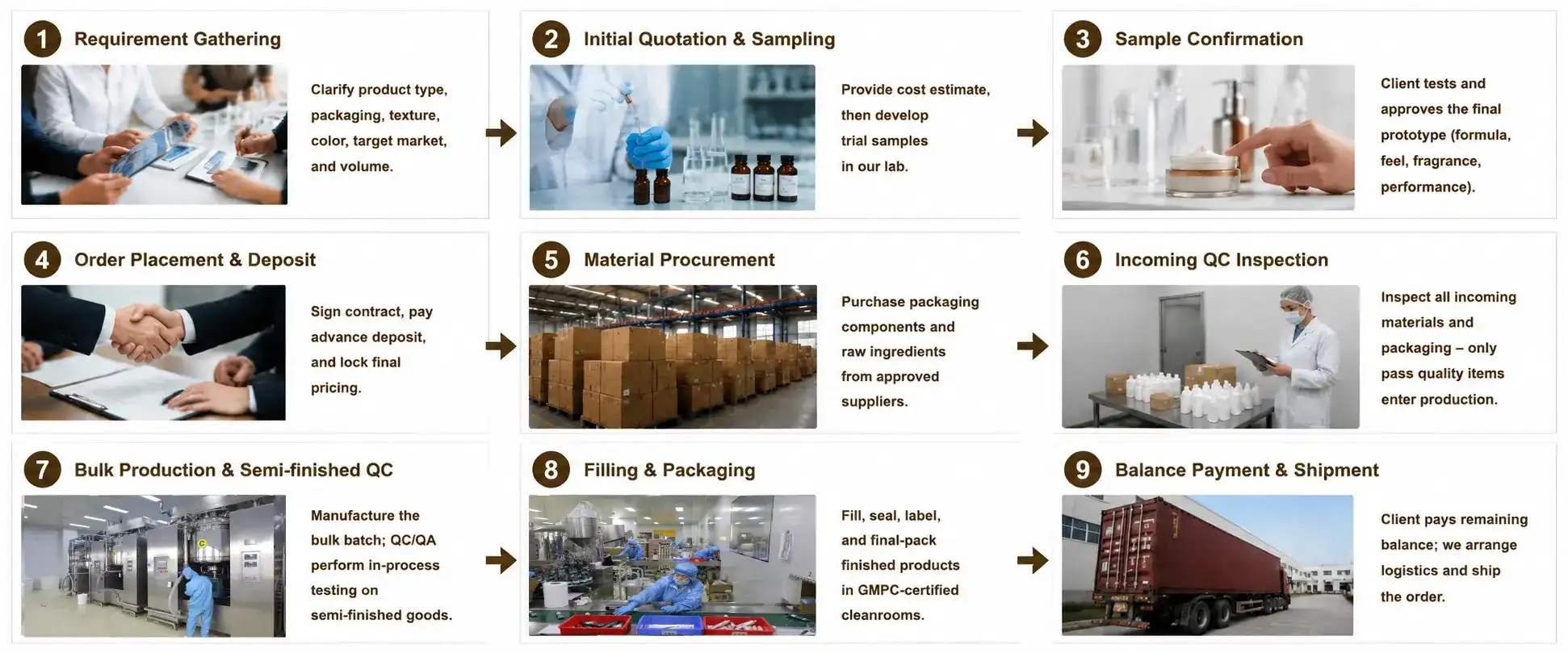
When people are looking for a company that makes zinc oxide lip balm, the way the business works is just as important as the recipe. The company can really grow if it can make more than 80,000 units per day, has a production cycle of 15 to 30 days, and needs a MOQ of 12,000. This lets you place test orders without putting too much money down, and it also lets you get ready for busy times of the year, like ski season, summer shopping outside, or filling windows at travel stores.
Quality Certifications as Procurement Filters
Two standards that are used all over the world to make cosmetics are GMPC (Good Manufacturing Practice for Cosmetics) and ISO 22716. Each one checks that a factory has quality systems that are written down, settings that are kept in check, and a way to keep track of goods from the time they are accepted until they are shipped. These licenses help procurement managers with audits and show that production is being done in a clear way.

How to Evaluate and Choose the Right Product for Your Business?
To choose the right formulation, you need to make sure that the product's features match the needs of your channel and end customer.
Define Your Market and Application Scenario
A ski brand that wants to sell zinc oxide lip balm at high elevations needs a recipe that doesn't change when it freezes and thaws and works in temperatures below zero. A buyer at a vacation retail store values small (4.8g) packaging, a format that is easy to carry, and a clean look. If a skin care company is related to medicine, it might need fragrance-free options and clinical proof. Making this clear from the start saves money on re-formulation costs later in the procurement process.
Verify SPF Claims with Documentation
The claim "SPF 30+" on an SPF 30 mineral moisture lip balm product label needs to be backed up by a test on living people that follows ISO 24444 or a similar standard. Not just a certificate; ask your supplier for the test results as well. To support the broad-spectrum label, make sure the critical wavelength is greater than 370nm. In regulated markets, the claim is not allowed to be on the packaging without this.
Assess OEM/ODM Customization Depth
The best providers do more than just print labels. A real OEM/ODM partner changes the formula, scent, shape of the packaging, and concentration of the active ingredient to fit the needs of your target market. This is important for brands that want to sell in places where people have different tastes or where the rules are stricter. For example, tropical markets might need higher heat-stability thresholds, and European clean beauty lines might need specific limited substance compliance.
Best Practices for Integrating Sun-Protective Lip Care Into Your Portfolio
Adding a mineral UV lip balm to a line of products already available needs both product knowledge and a plan for the category.
Application Guidance for End Users
During outdoor exposure, the standard advice in the business is to reapply every two hours. If you sweat a lot or come into contact with water, you should reapply every 40 to 80 minutes, based on the water resistance rating. Sharing this advice with retail partners and end customers lowers the number of unhappy customers who have unrealistic standards for performance.
Seasonal Inventory Planning
Demand for outdoor and sports programs always goes up before the summer and winter seasons. Allow 12 to 16 weeks for first-time orders that include compliance review and sample validation, and 10 to 12 weeks for seasonal orders that are placed again and again. Supply gaps can be avoided by locking in production times before times of high demand.
Portfolio Positioning and Marketing Angles
Mineral UV protection and botanical hydration work together to create a clean, functional story that works in outdoor, wellness, and travel retail channels. To set this product apart from other SPF lip balms in the same price range, marketing materials can talk about the zinc oxide active, the broad-spectrum protection mechanism, and the plant ingredient list.
Conclusion
The right UV-protective lip balm for your business combines a verified zinc oxide formulation, certified manufacturing standards, and supplier flexibility to match your market. Whether you are sourcing SPF 30 mineral moisture lip balm for outdoor sports retail, resort gift sets, or a clean beauty expansion, the core criteria remain the same: documented SPF testing, GMPC/ISO 22716 production credentials, and the OEM/ODM capability to adapt the product to your audience. Confirm compliance requirements for your target market early, request samples with full technical documentation, and evaluate suppliers on production transparency as much as formula quality.
FAQ
Why is SPF 30 often preferred over SPF 50 for mineral lip balms?
SPF 30 blocks approximately 97% of UVB rays; SPF 50 blocks roughly 98%. The marginal difference in protection is offset by a notable difference in texture—higher zinc oxide concentrations required for SPF 50 often produce a chalky, unpleasant feel. SPF 30 delivers high efficacy with a more cosmetically acceptable finish, which reduces consumer resistance and supports repeat purchase behavior.
What testing is required to sell an SPF lip balm in the United States?
In the U.S., SPF lip balms are regulated as OTC drugs. This requires an in-vivo SPF test conducted per FDA guidelines, an OTC drug registration for the manufacturing facility, and compliance with labeling requirements under 21 CFR Part 352. Buyers should request these documents from their supplier before committing to an order for the American market.
Can the formula be customized for private label orders?
Yes. OEM/ODM customization covers ingredients, fragrance, active concentration, and packaging format. MOQ starts at 12,000 pieces, and samples are available prior to full orders. The R&D team can adapt formulations for specific market requirements, including fragrance-free variants or adjusted emollient ratios for different climates.
What is the shelf life of this type of product?
Most mineral moisture lip balms carry a PAO (Period After Opening) of 12 months. The mineral UV filters themselves are photostable, but the carrier oils—particularly unsaturated oils like sunflower seed oil—can oxidize over time. Proper storage away from direct heat and light preserves the full product lifespan.
Partner With VS Lige for Your Next SPF Lip Balm Sourcing Project
For every order, VS LIGE brings more than 15 years of experience making OEM and ODM goods. Each 4.8g zinc oxide lip balm is made in a factory that is approved to GMPC and ISO 22716 and has a daily capacity of more than 80,000 units and a production cycle of 15–30 days. As a reliable company that makes SPF 30 mineral moisture lip balm, VS LIGE lets you change everything about their products, from the recipe to the wrapping. For inquiries, contact annyl@vslige.com .
References
1. Draelos, Z.D. (2011). Cosmetic Dermatology: Products and Procedures. Wiley-Blackwell.
2. Diffey, B.L. & Robson, J. (1989). "A new substrate to measure sunscreen protection factors throughout the ultraviolet spectrum." Journal of the Society of Cosmetic Chemists, 40(3), 127–133.
3. ISO 24444:2010. Cosmetics — Sun Protection Test Methods — In Vivo Determination of the Sun Protection Factor (SPF). International Organization for Standardization.
4. U.S. Food and Drug Administration. (2019). Sunscreen Drug Products for Over-the-Counter Human Use: Proposed Rule (21 CFR Part 352). Federal Register, 84(38).
5. European Commission. (2009). Regulation (EC) No 1223/2009 of the European Parliament and of the Council on Cosmetic Products. Official Journal of the European Union.
6. Mintel Group Ltd. (2023). Global Beauty and Personal Care Trends: Sun Care and Lip Protection Category Report. Mintel.
Online Message
YOU MAY LIKE
High quality furniture manufacturer
_1788845587879.webp)
RELATED BLOGS
- Everything You Need To Know About Glitter Lip Gloss
- Beyond Hydration: Why Moisturizing Lipstick is Your Secret Weapon After 40
- The Best Lip Crayons to Define and Tint Your Pout to Perfection
- How to Choose the Right SPF 30 Mineral Moisture Lip Balm
- SPF 30 Mineral Moisture Lip Balm for Dry Lips: What You Need to Know
- Ultra-thin Tip Waterproof Liquid Eyeliner Pen: Features, Benefits, and Uses
- How to Apply Neon Shimmer Mermaid Lipstick: A Complete B2B Guide